Dry Firing
Energizing elements before heating chambers fill completely with water melts resistance wire instantly.
Electric Heating Elements
Electric tankless water heaters rely on high-wattage copper or stainless steel heating elements controlled by solid-state relays to heat water instantaneously.
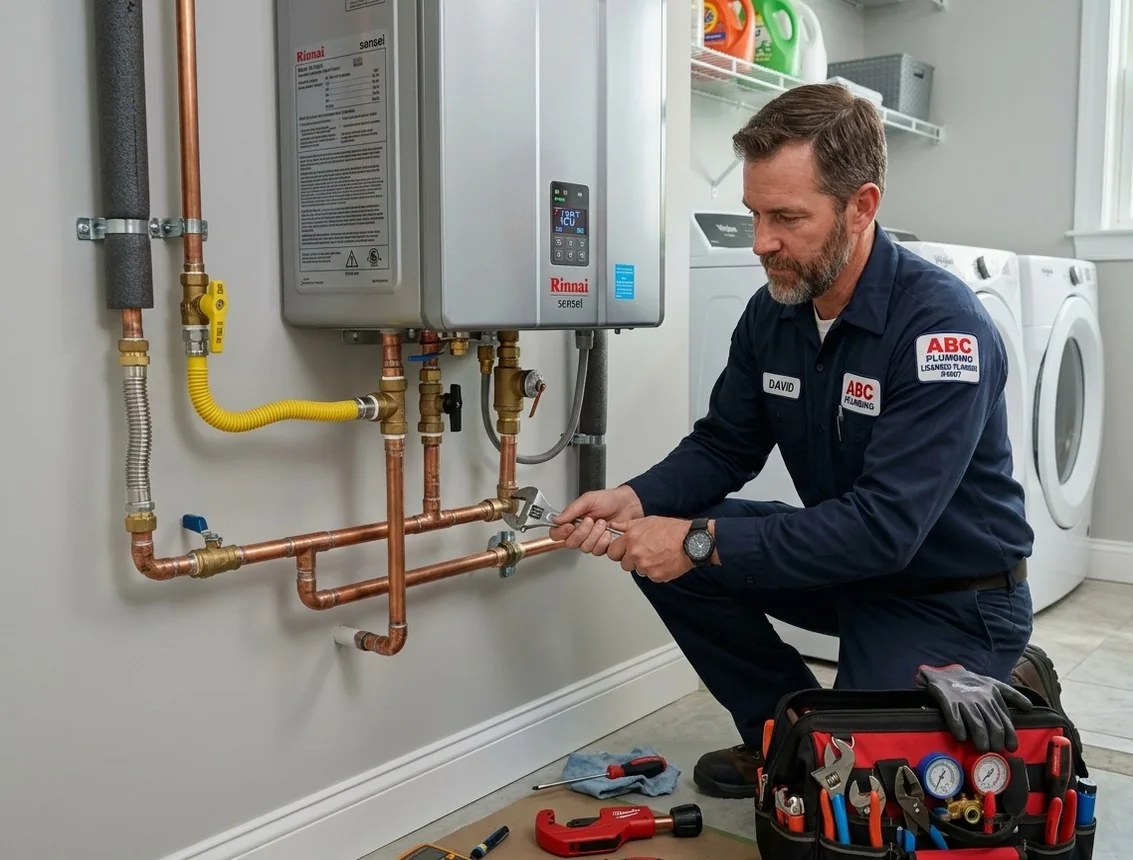
Electric tankless units feature multiple heating chambers, each equipped with heavy-duty electric heating elements. When flow sensors detect water movement, microprocessors pulse power through solid-state relays (SSRs) to energize elements matching required heat output.
Unlike gas models that use burners, electric tankless systems use high-amperage electrical resistance heating elements. A single whole-home unit may contain 3 or 4 separate heating elements drawing between 7,000 and 9,000 watts each.
If hard water scale builds up on submerged element sheaths, the resistance wire inside overheats and burns out. A burned-out element reduces system heating capacity, causing lukewarm water during high demand.
Energizing elements before heating chambers fill completely with water melts resistance wire instantly.
Thick calcium scale insulates element sheaths, causing internal overheating and wire rupture.
Short-circuited relays supply continuous voltage, overheating elements without water flow.
Power surges or loose terminal wiring connections damage element electrical leads.
Measuring electrical resistance across element terminals identifies open circuits caused by burned resistance wire.
Descaling element chambers prevents mineral crust from trapping heat and burning out heating elements.
Inspecting electronic SSR switches ensures precise pulse-width modulation of electric power.
Replacing individual failed elements restores full system kilowatt heating output.
Shut off dedicated 240V double-pole electrical breakers at the main panel.
Close water supply valves and drain internal heating vessel chambers.
Disconnect wiring leads, test element resistance, and unscrew element using an element socket.
Insert new element, refill water chambers to purge air completely, then restore electrical power.
Tankless systems from major manufacturers can differ in components, diagnostics, maintenance procedures, and error-code definitions. Service resources cover major brands found in service areas across the country.
Explore more tankless water heater services from TanklessFixer across specialized system categories.
Explore resources, causes, and options for electric tankless water heater repair.
Learn More →Explore resources, causes, and options for tankless water heater thermostat & sensor repair.
Learn More →Explore resources, causes, and options for tankless water heater control board & wiring repair.
Learn More →Explore resources, causes, and options for tankless water heater no hot water.
Learn More →Yes, electric tankless units contain modular heating chambers. Individual failed elements can be tested and replaced independently.
Dry firing occurs when elements are energized without water in the chamber. The element wire melts within seconds, causing immediate failure.
Breakers trip if a heating element short-circuits to ground, if wiring terminals loosen, or if household electrical draw exceeds breaker rating.
Disconnect power and wire leads, then use a multimeter set to ohms. A healthy element typically reads between 6 and 20 ohms; zero or infinite reading indicates failure.
Yes, mineral scale coats submerged element sheaths, causing localized heat traps that rupture element resistance wires.
TanklessFixer organizes tankless water heater services by state and city so homeowners can quickly find local repair, maintenance, installation, and replacement information. Search or select a state below to find local city coverage.
Connect with local service resources for repair, troubleshooting, maintenance, installation, and replacement across state and city service areas.
Call (833) 643-1120